Professional Solutions for Exterior Repairs Before a Sale
This site covers four parts of the outside of a house: roof, siding, windows and gutters. This page says who the subject helps. It also shows where the trade work sits around a sale. Each of the four is a separate decision with its own evidence. The sections below set out how to sort them.
Four parts of the outside that come up in a sale
When a house is listed, the outside of it draws questions. Roofs leak or wear. Siding can hide moisture behind its finish. Windows fog, stick or let in drafts. Each part calls for a different kind of decision.
Sellers preparing a listing need to know which items will be raised. Buyers reading an inspection report need to know whether a finding is active or worn. Owners in their first year face the same map for work they will schedule themselves. The questions below cover what each of these readers tends to ask. None of them needs a sales pitch to answer.
We are a residential real estate brokerage, and we do not do this work. We do not install, repair or price roofs, siding, windows or gutters. We read findings alongside the people in a sale and explain what each one means for it. For the work itself we send readers to local trade businesses. When we recommend a provider, the homepage says why.

What the counts on this page are, and are not
The figures below count this site's own material, not the market. None of them is a price, a rate or a share of houses. None comes from a survey or a study. They describe how the site is organised and who it is written for. Read them as a description of the page, not as evidence about the trades.
- 4
- exterior parts this site covers: roof, siding, windows and gutters, as set out in the site's own plan.
- 3
- groups of readers this site writes for: sellers preparing a listing, buyers reading an inspection report, and owners in their first year.
- 4
- outcomes the decision helper on the resources page can reach: fix before listing, get a quote and decide, offer a credit or negotiate, or leave it.
From the photograph to a plan: where to go next
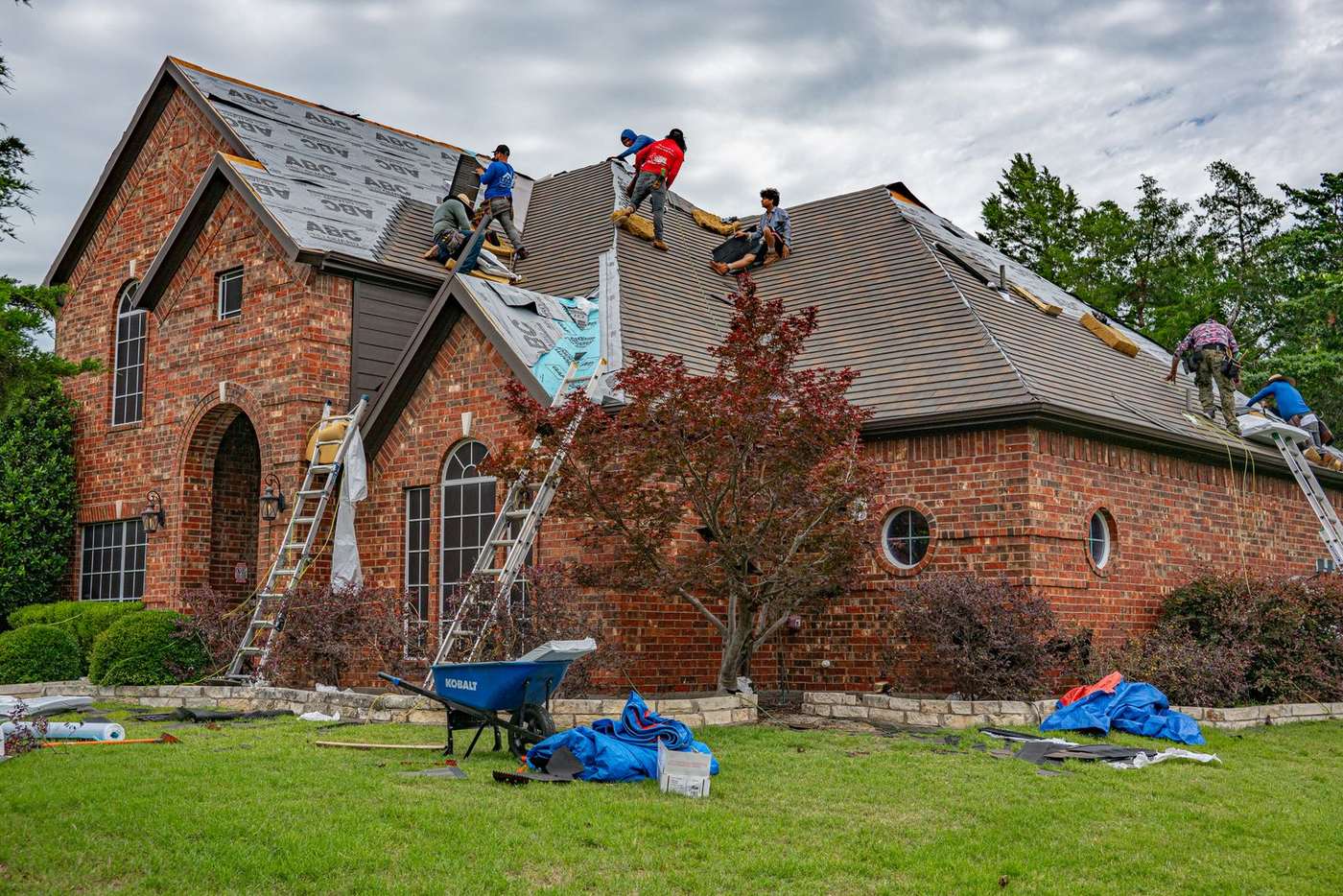
If you are deciding what to do with one part of the outside, start with the decision helper on the resources page. It asks which part is in question and whether it is leaking or only worn. It also asks whether you are selling or buying, and how soon the closing is. Its outcome comes with the reasons printed beside it. Use it to start a conversation with the agent and the trade, not to replace either.
The sentence worth keeping from this page
A reader who remembers one thing should remember how to tell an active problem from a cosmetic one. Most other decisions follow from that. An active problem needs a repair with a written scope before the sale. A cosmetic one often needs only a clear note and a fair credit. The difference becomes visible once someone names the source of the damage.
A leak and worn siding are different decisions, and a sale is a poor time to treat them as one.
Watching a vinyl window go in
The clip below shows a window set into a wall with housewrap and flashing. That is the part of a window job a written quote should describe in detail. Watch the order of the steps, and what the flashing and sealing cover. Use the clip to ask better questions, not to judge the work from a screen. It shows one method, not a guarantee of any provider's work.