Resources for deciding which exterior repairs to make
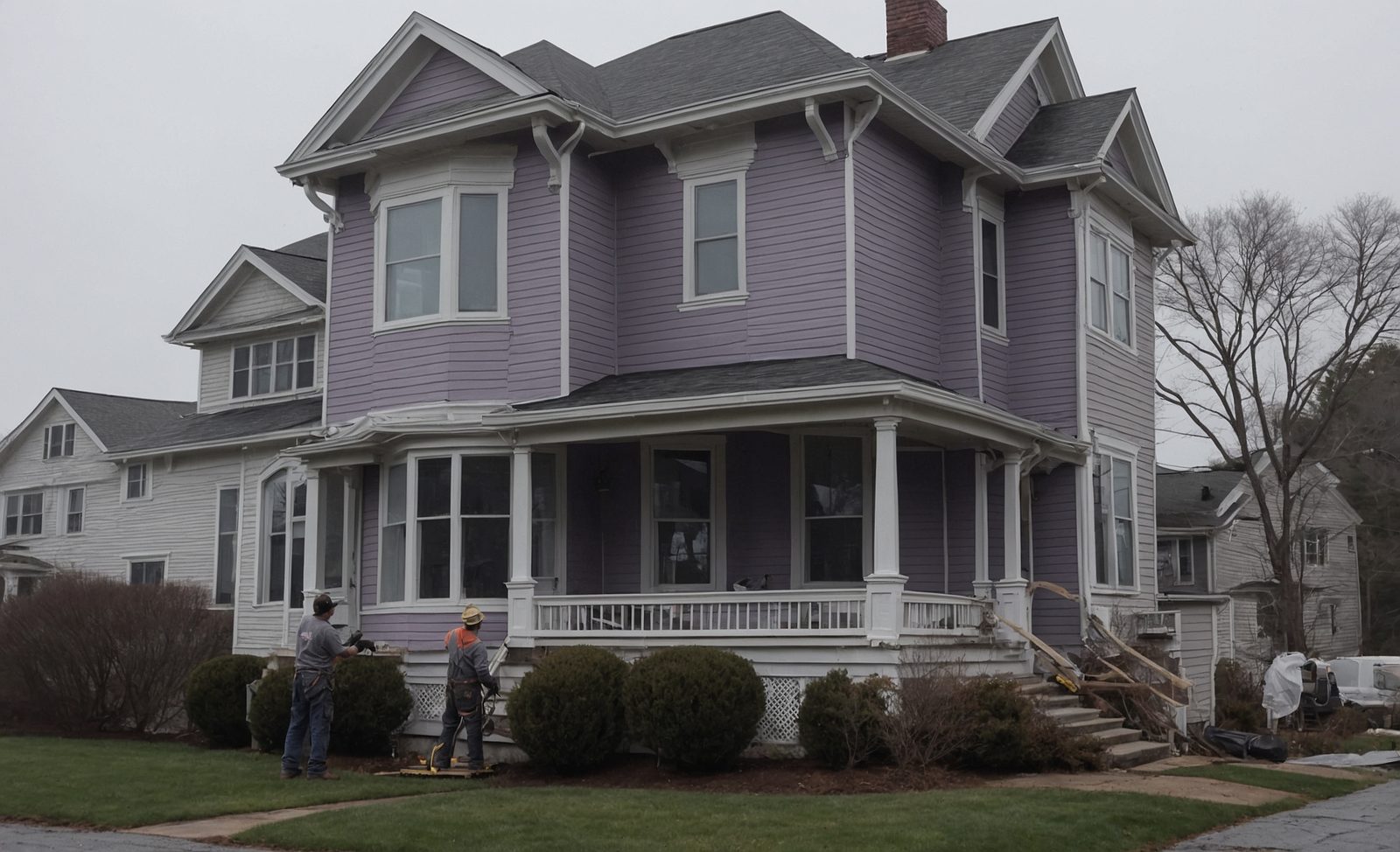
A decision helper for the roof, siding, windows and gutters on a house being sold or bought, with the reasons printed beside each answer. It is a reading aid, not an inspection, and it does not price anything. Its four questions can be answered standing outside with the report in hand.
What this page can and cannot tell you
A report describes what an inspector saw on the day of the inspection, and nothing more. It does not say what a repair will cost, how much life a roof has left, or whether a window will fail next winter. This page does not guess at those things either. It helps a reader sort each exterior item into the decision it needs, and then it shows the reasons behind the sort. Most of that sorting comes down to two questions a reader can answer outside: is water getting in, and is the house being sold or bought. Everything else follows from those answers and from how soon the closing is.
A leak and a worn surface look alike on a report, but they are different decisions. The helper keeps them apart from its first question. Keeping them apart is the whole reason this page exists.
The helper below is built as a short run of questions with one outcome at the end. Each outcome is one of four plain steps: fix before listing, get a quote and decide, offer a credit or negotiate, or leave it. The reasons for each outcome are printed beside it, so a reader can check the logic instead of trusting it. A reader who answers the questions differently will reach a different outcome, and the reasons will show why. No answer is sent anywhere, and nothing is saved between visits. If a question cannot be answered yet, the honest choice is to get a written quote and decide after it arrives.
Where a storm shows up on a roof, and what to ask about it
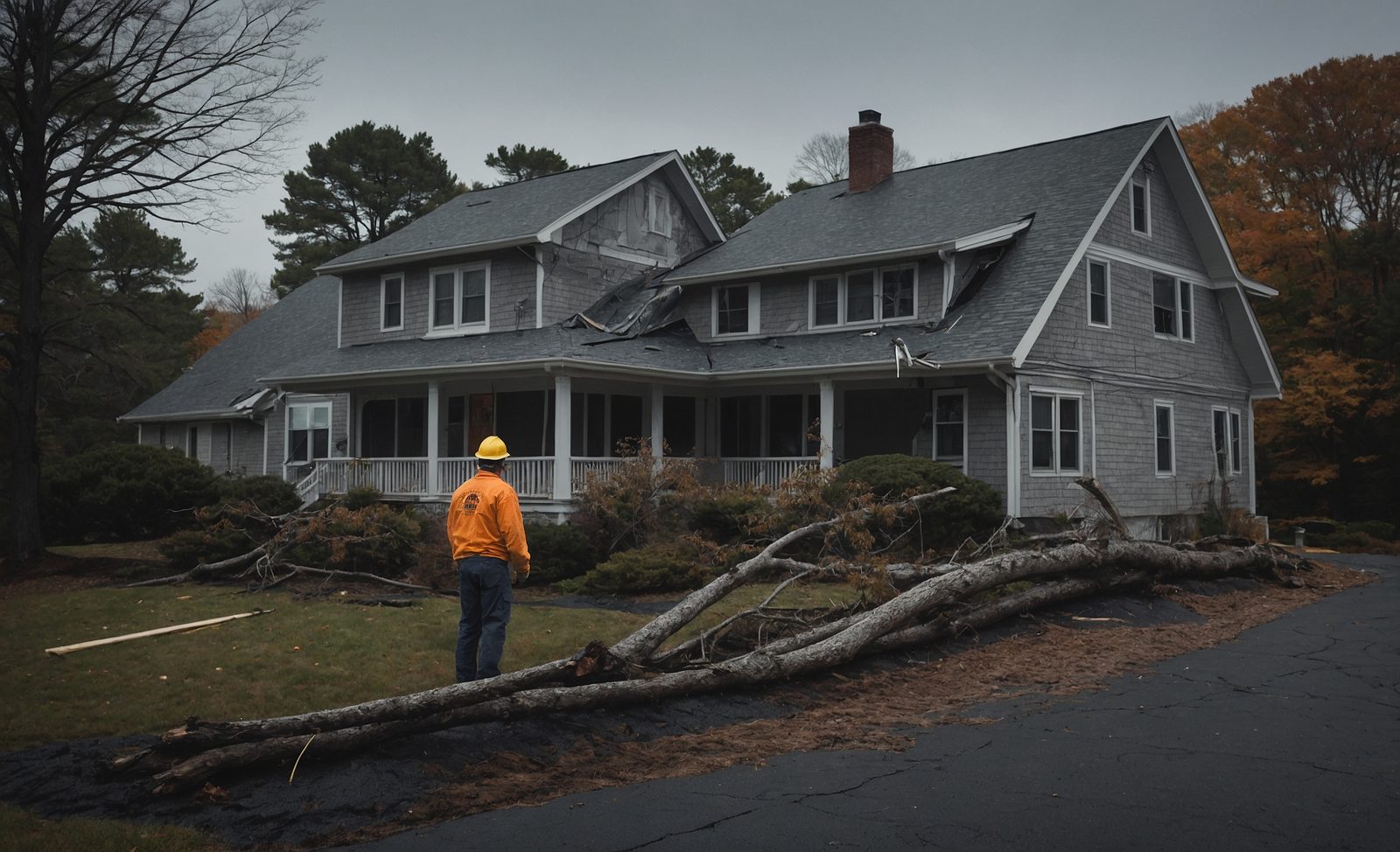
After a storm, an inspector looks first for torn shingles and for bent metal at the flashing, which is the strip where the roof meets a wall or a chimney. Those two details decide most of what a roof item means for a sale. Torn shingles on an open slope are a visible repair, and they can be scheduled once a written scope is in hand. Bent flashing is a different matter, because it sits where water is most likely to get past the roof's skin. Ask the inspector which of the two was found, and exactly where it was found. If the report names only shingles and says nothing about the flashing, ask for the flashing to be checked before the listing goes live. A quote that treats the two as one item can hide the leak.
Decide which exterior repair comes first
Answer four questions about one exterior item in a house. The helper shows one outcome, and the reasons for it sit beside the outcome in plain words. It does not price work, it does not name a contractor, and it sends nothing anywhere. Its answer is a starting point for a conversation with the inspector and for written quotes, not a substitute for either. Every outcome has a reason, and a reader who disagrees with one can change an answer and see what would follow.
-
Fix before listing
A leak is the item a buyer's inspector writes up first, and an open leak during showings invites a lower offer or a repair demanded in the middle of a negotiation. A seller who fixes it before the listing goes live controls the scope, the timing and the price of the work. Worn surfaces that show in the listing photographs can also work against a sale, even when they are sound. Written quotes gathered before the listing let the seller choose the repair on paper rather than under pressure. The decision is easier on the seller's side before the first offer than after one has arrived.
-
Get a quote and decide
When the cause or the size of a leak is not yet known, nobody can compare a repair with a credit. A written quote from a licensed contractor turns that unknown into a figure and a scope that can be read line by line. The quote should list the work, the materials, removal and any permit separately, so two quotes can be set side by side. Decide after the quote is in hand, not before, and keep the inspector's wording beside it. Until then, any choice is a guess, and the helper will not guess for you.
-
Offer a credit or negotiate
A buyer close to closing has little time to have work done properly before the sale. A credit at closing lets the buyer choose the contractor and schedule the work after the sale, on the buyer's own terms. The size of the credit should come from the inspection report and a written quote, not from the seller's word or the buyer's hope. Ask for both before the offer is written, so the negotiation rests on paper. A credit is a choice about time as much as money, and the reasons for it should be stated plainly in the offer.
-
Leave it
Worn surfaces that are not letting water in are mostly a question of appearance and of what the inspector recorded. A rushed job before a closing seldom serves either side. Note the item in the listing or the offer, and keep the report's own words in front of you. If the buyer's inspector finds something more serious, the decision changes, and the helper should be run again. Leaving a sound item alone is a decision too, and it should be written down.
Two public guides worth reading first
New owners of one to four unit homes in Massachusetts can book a Home Energy Assessment through Mass Save, which is a useful first step before deciding on insulation or window work. For windows in particular, ENERGY STAR publishes a plain-language article on choosing, buying and installing replacements, and it is worth reading before any in-home sales visit.